
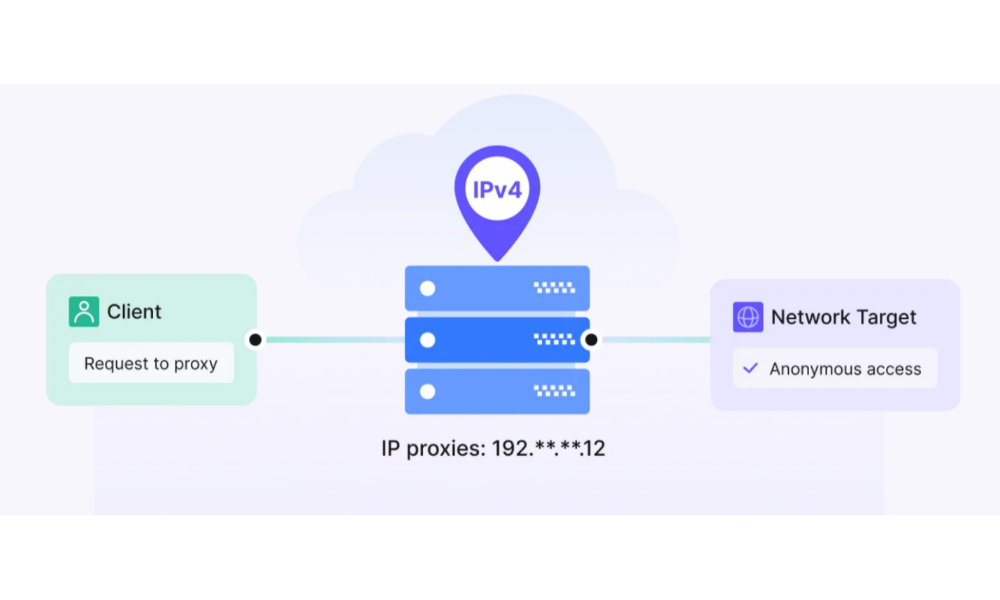
How to Choose the Best IPv4 Proxies for Reliable Data Access
You already understand why IPv4 proxies matter. I am not here to sell you on the basics. I am here to help you think clearly about your options, avoid common mistakes, and choose setups that hold up under real use. I base my recommendations on stability, scale, control, and long term reliability, not on surface claims.
When people ask me where most proxy decisions fail, it usually comes down to chasing price first. Cheap tools that break or block waste time and slow progress. The right choice saves effort and gives you room to scale.
If you are comparing options for cheap ipv4 proxies, looking to buy ipv4 proxy access for ongoing work, or curious whether ipv4 proxies free setups are worth your time, this guide will help you decide what actually makes sense.
I will walk you through how to think about residential, rotating, and static IPv4 proxies, what separates solid providers from risky ones, and why Thordata stands out as a practical choice.
Why IPv4 Proxies Still Matter
IPv4 proxies remain the standard for many platforms. Many systems still treat IPv4 traffic as more trusted and consistent than newer formats.
That matters if you care about access, continuity, and predictable results.
I look at IPv4 proxies as a foundation layer. If that layer fails, everything built on top struggles. This applies to data collection, monitoring, testing, and analysis.
A good IPv4 proxy setup gives you:
- Stable connections
- Broad compatibility
- Lower block rates
- Cleaner traffic patterns
This is why serious teams still invest in quality IPv4 pools.
Cheap IPv4 Proxies Versus Reliable Value
Cheap does not always mean low quality, but it often hides tradeoffs. I tell people to look beyond the price label and focus on what you receive per connection.
Ask yourself:
- Are the IPs ethically sourced
- Do sessions stay active when needed
- Can you control location and rotation
- Does uptime remain consistent
Thordata approaches pricing from a value angle. They focus on keeping access affordable without cutting corners on infrastructure. Their IPv4 proxies sit on a global network backed by strong uptime and routing standards.
That balance is what makes cheap IPv4 proxies useful instead of frustrating.
Residential IPv4 Proxies Explained
Residential IPv4 proxies route traffic through real household connections. This makes them suitable for tasks where trust and realism matter.
I usually recommend residential IPv4 proxies when access consistency matters more than raw speed.
Key benefits include:
- Lower detection rates
- Natural traffic patterns
- Wide geographic coverage
Thordata supports residential IPv4 proxies across many countries, cities, and network providers. This level of targeting matters when precision affects results.
Rotating IPv4 Proxies for Scale
Rotating IPv4 proxies change IPs automatically over time or per request. This helps distribute activity and reduce repeat signals.
I suggest rotating proxies when:
- You need volume
- You run repeated requests
- You want reduced manual control
Thordata handles rotation at the infrastructure level. Sessions rotate cleanly without breaking requests. You can also combine rotation with location rules, which avoids random traffic patterns.
Static IPv4 Proxies for Control
Static IPv4 proxies keep the same IP for long periods. These work best when identity consistency matters.
I point people toward static IPv4 proxies when:
- Sessions must persist
- Accounts rely on stable IPs
- Long tasks run over time
Thordata offers static IPv4 options with clean sourcing and predictable uptime. This reduces the need to swap IPs mid task.
Are Free IPv4 Proxies Worth Using
People often ask me if free IPv4 proxies make sense. My answer stays consistent.
Free tools usually cost time.
Free IPv4 proxies often come with:
- Unstable connections
- Shared access
- Unknown sourcing
- High block risk
They may help with learning or short tests, but they rarely hold up for real workflows. Paid access removes friction and reduces risk.
This is where a provider like Thordata helps bridge the gap between cost and reliability.
What Makes Thordata a Strong Choice
I evaluate providers based on infrastructure depth, control options, and support quality.
Thordata stands out because they operate a large global network with more than 60 million ethically sourced IPs. Coverage spans residential, mobile, ISP, and datacenter pools across 190 countries.
Their IPv4 proxies support:
- Precise location targeting
- Sticky and rotating sessions
- High uptime standards
- Low latency routing
They also integrate smoothly with automation tools and APIs, which matters if you plan to scale or maintain workflows long term.
From a compliance view, they align with data protection rules and emphasize clean sourcing. That reduces risk when operating at volume.
How I Suggest You Choose
I encourage you to think in layers.
Start with your goal. Then match the proxy type to that goal.
If you need realism, choose residential IPv4 proxies.
If you need scale, use rotating IPv4 proxies.
If you need identity stability, choose static IPv4 proxies.
Then evaluate the provider behind the IPs.
Thordata earns a recommendation because they support all of these needs within one platform. This avoids juggling multiple vendors and tools.
A clear setup leads to fewer interruptions, better access, and smoother growth.
That is how I think about IPv4 proxies, and how I suggest you approach your decision.